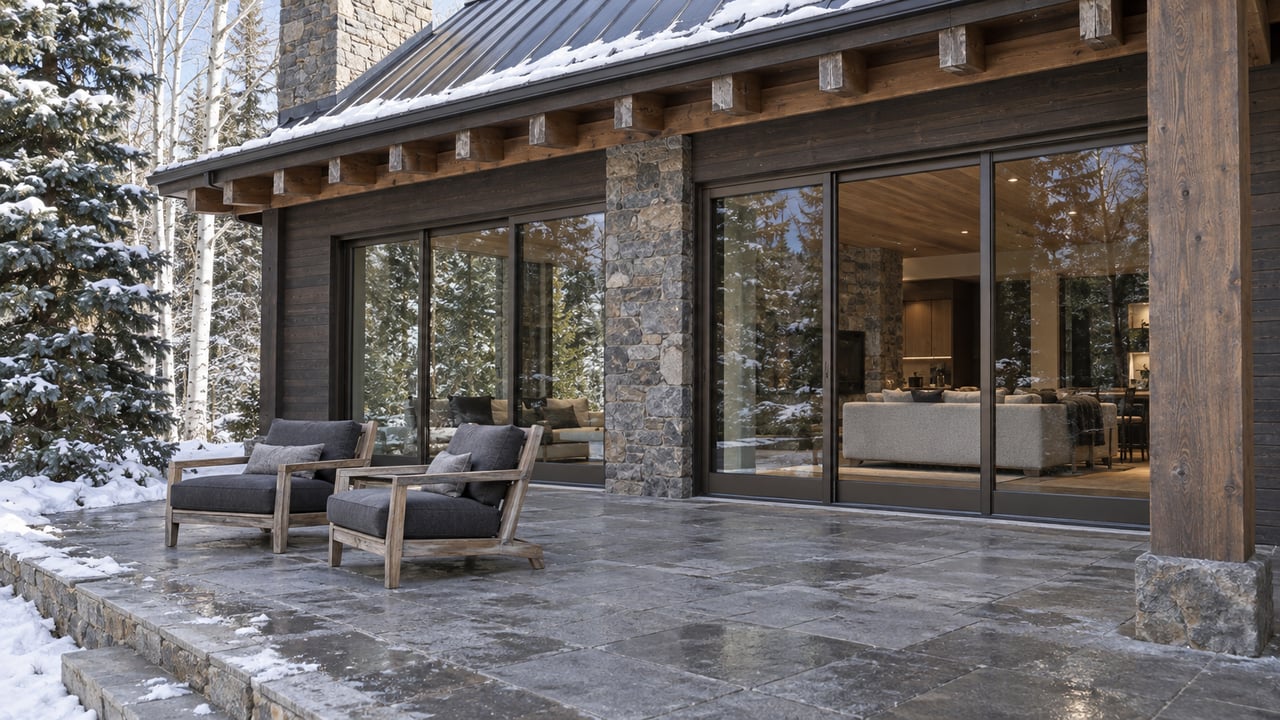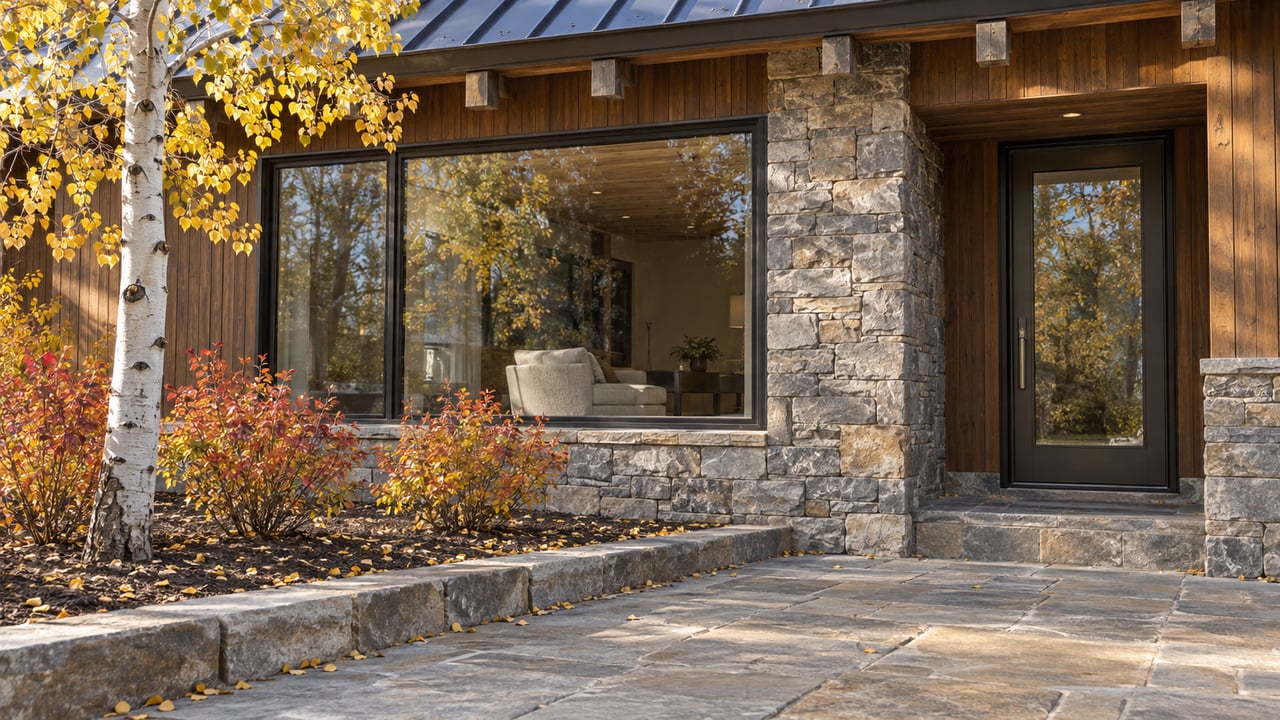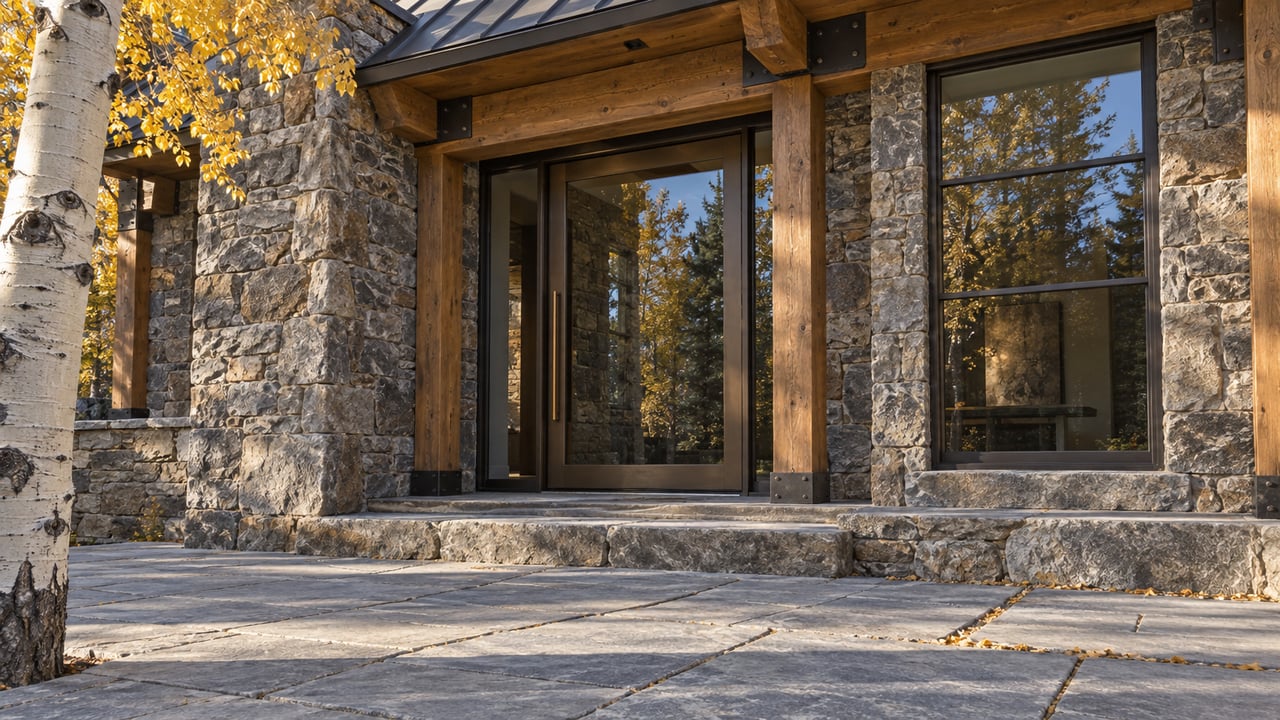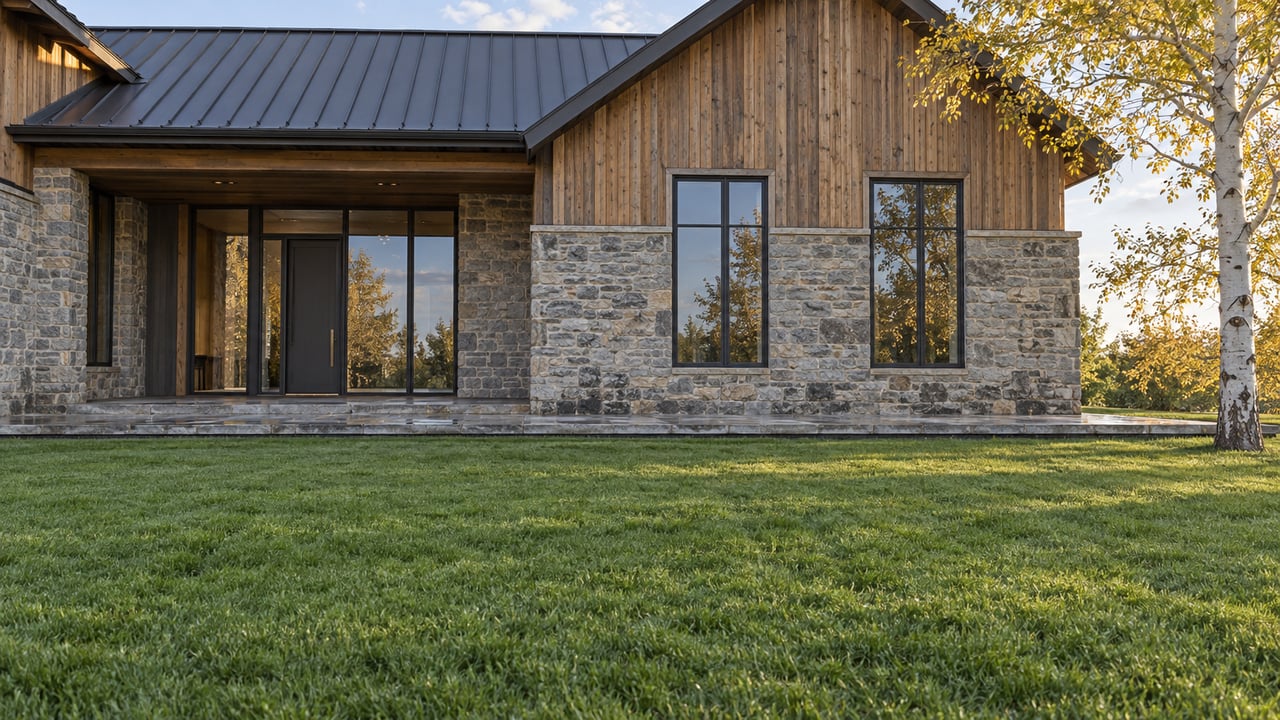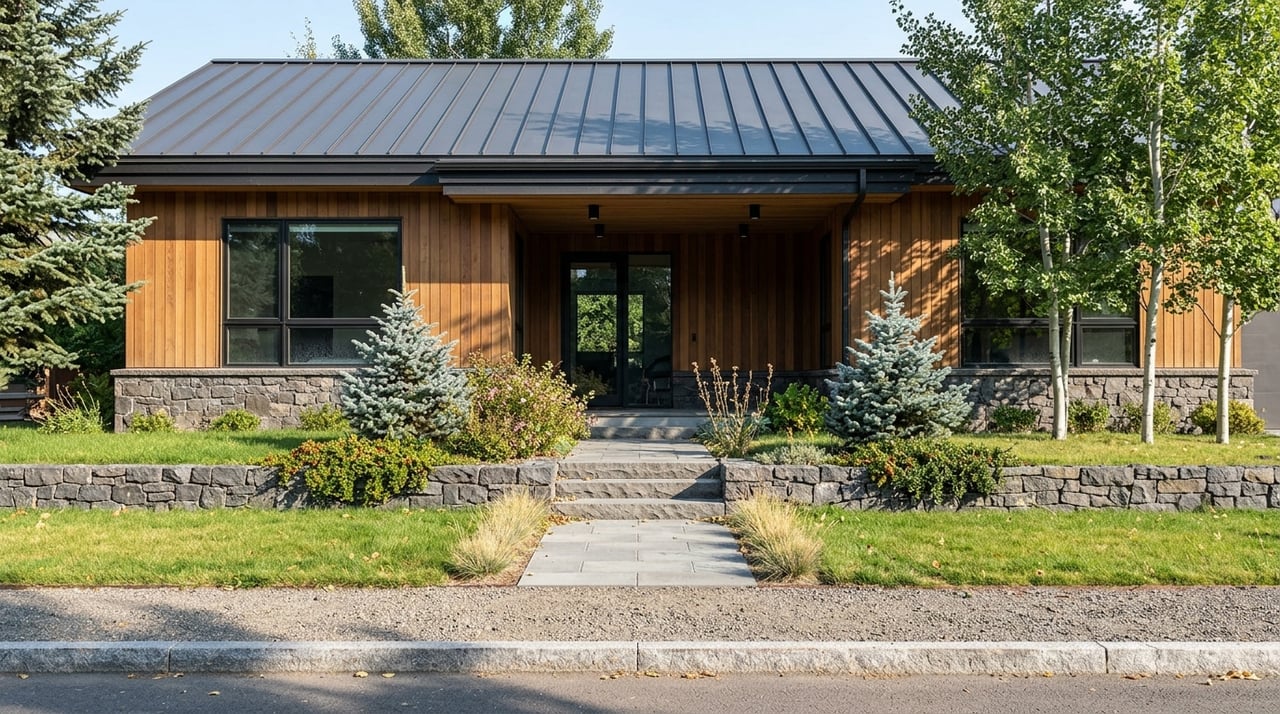
If your idea of Aspen luxury is less about being seen and more about how you live, West Aspen deserves a closer look. This part of town offers a calmer residential setting, easy access to trails and recreation, and a sense of place shaped by history, open space, and mountain views. If you are trying to find the right balance between privacy, convenience, and character, this guide will help you understand what makes the West End and the broader west side so appealing. Let’s dive in.
What West Aspen Really Means
When people talk about West Aspen, they are often describing two related areas. One is the West End Historic District, a quiet, tree-lined residential neighborhood near the Aspen Meadows, Aspen Institute, and Wheeler/Stallard Museum campuses. The other is the broader area west of Castle Creek and along Highway 82, which the city treats as Aspen’s western gateway.
That distinction matters when you start your search. The West End carries a strong historic identity, while the larger west corridor includes a wider mix of residential patterns and recreation access. Together, they create a neighborhood story that feels refined, residential, and quietly connected to the rest of Aspen.
Why Quiet Luxury Fits Here
West Aspen stands out because it feels polished without feeling performative. City planning documents for the west corridor emphasize views, natural setting, and a scale that avoids an overly urban feel. In practical terms, that supports a neighborhood experience shaped by scenery, privacy, and a more relaxed rhythm.
The West End has also been described as a “quiet gem,” and that phrase fits. You are close to downtown Aspen, but the mood is different. Streets feel more residential, the landscape plays a bigger role, and the overall experience leans toward understated comfort rather than constant activity.
West End Character And Setting
The West End is known for its historic homes and established feel. Local neighborhood history materials point to a mix of architectural styles, including Victorian and midcentury modern homes, which gives the area visual depth and a strong sense of continuity.
For many buyers, that character is a major part of the appeal. You are not just choosing square footage or finishes. You are choosing a neighborhood with mature trees, recognizable streetscapes, and a built environment that has developed over time rather than all at once.
A More Residential Pace
One of the strongest draws of the West End is how residential it feels. Even though Aspen’s core is nearby, this area often attracts buyers who want some distance from the busiest parts of town while still staying well connected.
That can be especially appealing if you want a home base that feels settled and calm. The neighborhood supports a lifestyle where stepping outside can feel restorative, whether you are heading into town, out for a walk, or toward the trails.
Access Is Easier Than You Might Think
Quiet does not mean remote. West Aspen benefits from Aspen’s free shuttle network, with routes serving the West End and connecting toward places like Aspen Golf Course, Buttermilk Mountain, Aspen Recreation Center, Aspen Highlands Village, and other west-side destinations.
That transit access makes daily movement simpler, especially if you want options beyond driving. It also supports the kind of flexible lifestyle many buyers want in Aspen, where getting to recreation, town, or key destinations can feel efficient and low stress.
Airport Convenience
The Aspen/Pitkin County Airport is 3 miles from downtown Aspen. Airport information also notes that bus service into Aspen and Snowmass Village is free, which adds another layer of practical convenience for owners and guests.
If you travel often, this matters. West Aspen gives you a residential setting that still works well for arrivals, departures, and weekend visits without the sense of being disconnected from town.
Outdoor Living Is Built In
West Aspen pairs neighborhood calm with strong access to the outdoors. The City of Aspen notes that the Roaring Fork Valley includes the 42-mile Rio Grande Trail between Aspen and Glenwood Springs, and Aspen’s broader trail system connects to Snowmass Village, Woody Creek, and Basalt.
That kind of connectivity supports a lifestyle where biking and walking can be part of your routine, not just a weekend plan. The city also operates WE-cycle seasonally, with rides free for the first 30 minutes, which adds to the area’s car-light appeal.
Recreation Close To Home
The Aspen Golf Club is one of the area’s major lifestyle anchors. The club is 2 miles from downtown Aspen, and the city has described the golf-club campus as a recreation hub for golf, tennis, and Nordic activities.
This is part of what makes West Aspen feel so balanced. You get meaningful access to recreation and open space without sacrificing proximity to Aspen’s core. For buyers who want mountain lifestyle benefits in a more grounded residential setting, that combination can be hard to beat.
Ski Access Without The Commercial Core
The broader west corridor also connects well to ski-oriented destinations. Shuttle routes link residents toward Buttermilk Mountain and Aspen Highlands Village, which makes west-side living especially attractive if you want easy access to winter recreation.
That access is important, but so is the neighborhood context. You can stay near ski amenities while living outside the busiest parts of Aspen’s Commercial Core, which often appeals to buyers looking for a lower-key home base.
Housing Options Are More Varied Than Many Expect
The West End is strongly associated with historic homes, and that reputation is well earned. At the same time, the housing story is more layered than many buyers assume. City short-term rental data references townhouse and condo-style addresses on West End streets, and planning materials for the broader west corridor mention single-family and duplex homes.
That means West Aspen is not a one-format neighborhood. Depending on where you look, you may find historic residences, attached homes, or other residential configurations that suit different ownership goals and levels of maintenance.
Who West Aspen Often Fits Best
Based on the area’s quiet residential character, trail and shuttle access, preservation framework, and emphasis on views and scale, West Aspen often fits buyers who want a calmer base close to Aspen’s core. It can be especially compelling if you value established neighborhood character and easy outdoor access.
For some buyers, that means a full-time residence with a more residential rhythm. For others, it means a second home that feels private, welcoming, and well connected from the moment you arrive.
Historic Preservation Matters Here
If you are considering a property in the West End Historic District, it is important to understand the role of historic preservation. The City of Aspen states that individually designated properties and properties within a historic district are subject to historic-preservation design standards. Owners are advised to contact historic-preservation staff before starting changes.
This does not make ownership less appealing, but it does shape expectations. If you are planning updates, renovations, or exterior changes, the process may involve more review than it would in other areas.
Why That Can Be A Positive
For many buyers, preservation standards are part of what protects the neighborhood’s long-term appeal. They help maintain a sense of continuity and encourage changes that respect the surrounding context.
In a neighborhood where charm, scale, and visual cohesion matter, that oversight can support value in a different way. It reinforces the qualities that make the West End feel established, thoughtful, and distinct.
What To Notice On A Property Tour
When you explore West Aspen, look beyond finishes and square footage. Pay attention to how the home sits within the street, how much privacy the setting offers, and how easily you can access trails, transit, golf, or ski connections.
It is also wise to consider how the property aligns with your intended use. A historic home may offer architectural character and presence, while an attached residence may offer a simpler ownership experience with the same west-side lifestyle advantages.
Here are a few useful questions to keep in mind:
- Is the property within the historic district?
- If so, what changes may require preservation review?
- How close is it to shuttle routes or biking connections?
- Does the setting feel more historic, more recreation-oriented, or both?
- How does the home balance privacy with access to town?
Why West Aspen Holds Its Appeal
West Aspen offers something increasingly rare in resort markets: a sense of quiet that does not come at the cost of convenience. Between the West End’s architectural character, the west side’s recreation anchors, and the planning emphasis on views and natural setting, the neighborhood supports a version of luxury that feels calm, livable, and enduring.
If you are drawn to Aspen but want your home to feel more grounded than flashy, West Aspen may be exactly the right fit. It is a place where history, access, and landscape come together in a way that feels both elevated and easy to live in.
If you want help evaluating West Aspen homes, historic properties, or west-side opportunities with a more tailored strategy, Susan Stone-Chen offers founder-led guidance with the discretion and polish Aspen buyers expect.
FAQs
What is the difference between West Aspen and the West End in Aspen?
- West Aspen can refer to both the West End Historic District and the broader area west of Castle Creek along Highway 82. The West End is more distinctly historic and residential, while the broader west side includes a wider mix of housing and recreation access.
How close is West Aspen to downtown Aspen and the airport?
- The Aspen/Pitkin County Airport is 3 miles from downtown Aspen, and west-side shuttle routes help connect the neighborhood to town and other destinations.
What types of homes are found in West Aspen?
- The area includes many historic homes in the West End, along with townhouse, condo-style, single-family, and duplex housing patterns in the broader west corridor.
Do West End Aspen properties have remodeling restrictions?
- Properties that are individually designated or located within a historic district are subject to Aspen’s historic-preservation design standards, so some changes may require review.
Why does West Aspen feel luxurious without being flashy?
- Its appeal comes from quiet streets, preserved views, open space, recreation access, and proximity to town, all within a setting that feels more residential than commercial.