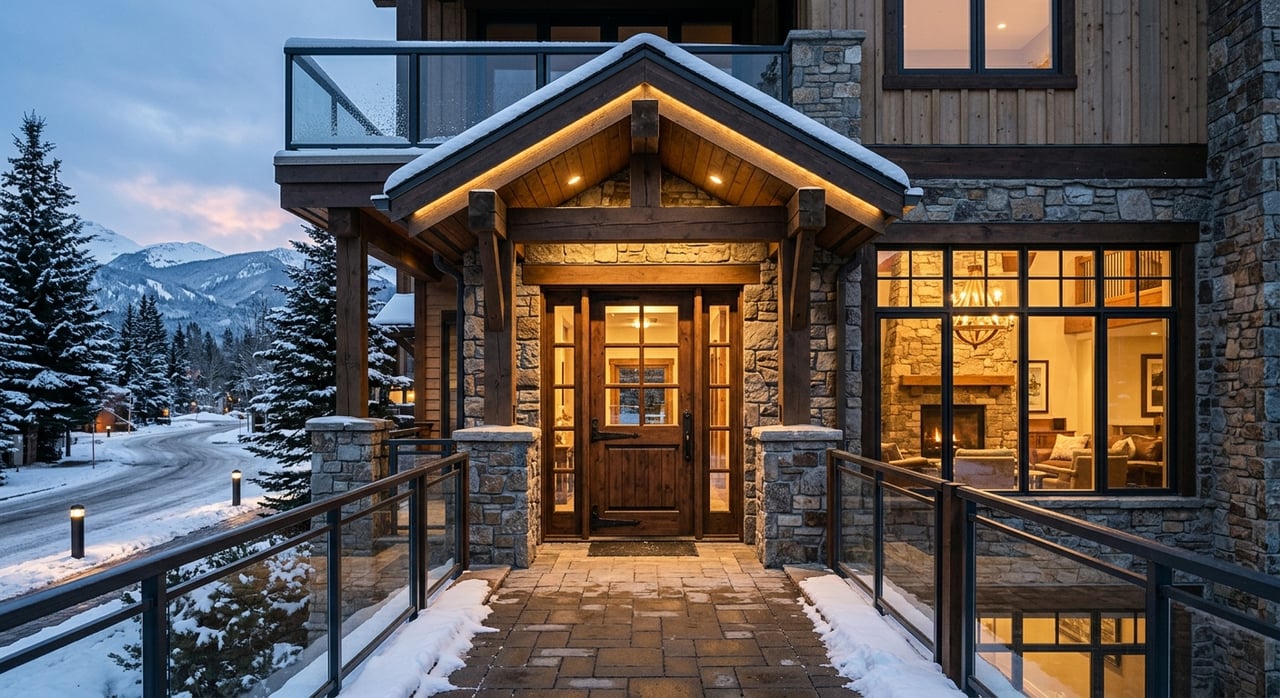
If you want Aspen at your doorstep, the Central Core is hard to beat. This is where you can step out for coffee, walk to dinner, reach transit easily, and stay close to the energy that makes Aspen feel like Aspen. If you are considering buying here, it helps to understand not just the lifestyle upside, but also the rules, trade-offs, and ownership details that come with downtown living. Let’s dive in.
Why buyers choose Aspen’s Central Core
Aspen’s Central Core is the city’s downtown hub. It has the highest pedestrian activity, a strong mix of retail and restaurants, transit services, on-street parking, and Aspen’s well-known pedestrian mall.
For many buyers, that level of convenience is the main draw. You are not choosing the Central Core for seclusion or yard space. You are choosing it because daily life can be simple, walkable, and close to the center of town.
The city also supports a car-light lifestyle here. Free shuttles, the Downtowner door-to-door service, free airport buses, RFTA routes, and WE-cycle all help make getting around workable without relying on a personal vehicle.
What living downtown actually feels like
The Central Core offers a very different ownership experience than Aspen’s quieter residential areas. The same features that make it convenient also make it more active, with higher pedestrian volumes, vehicle traffic, and less privacy than you would find outside the downtown core.
If you love being in the middle of dining, shopping, events, and easy ski access, that can be a major advantage. If you prefer a more tucked-away setting, the pace of the core may feel intense during peak periods.
Seasonality also shapes daily life. Aspen uses peak-season parking rates in the downtown core from June through September and from December through March, with shoulder-season pricing in April, May, October, and November.
What you can buy in the Central Core
Most buyers in the Central Core will be looking at condos, townhomes, mixed-use buildings, and lodge-style properties. Detached single-family homes are far less common here than in surrounding neighborhoods.
That housing mix matters because it affects everything from privacy and storage to HOA governance and rental flexibility. In many cases, the ownership decision is not just about the unit itself. It is also about the building, the association documents, and the parcel-specific rules tied to that address.
The Central Core also has a strong commercial character. Aspen’s design standards describe the area as one that prioritizes pedestrian amenities, while nearby transition areas are more residential in form and scale.
Historic character shapes supply
One of the reasons inventory can feel limited in and around downtown Aspen is historic preservation. In the Main Street Historic District, more than half of the buildings are designated landmarks, and the city notes there are few opportunities for new buildings there.
That historic framework helps preserve Aspen’s character, including Victorian-style architecture and the gradual transition from residential areas into downtown. It also means some properties are subject to additional review if you want to make changes.
If a property is in the Main Street Historic District, the Commercial Core Historic District, or is individually designated, it is subject to historic preservation review. Aspen’s Historic Preservation Commission reviews development, demolition, relocation, and certain variations for designated historic properties and historic districts.
Core versus nearby transition areas
For some buyers, the right fit is not fully in the core, but just outside it. Aspen’s own character-area descriptions help show that difference clearly.
NMU East is mostly made up of two-story residential buildings with front yards. NMU West includes a mix of residential, office, service, and larger lodge buildings. Those nearby areas can offer a different balance of access, scale, and day-to-day feel while still keeping you close to downtown.
If you are trying to choose between the Central Core and a nearby neighborhood, think carefully about what matters most to you. Is it walk-out convenience, or a little more breathing room? That question often shapes the best buying decision.
Why HOA rules matter so much
In the Central Core, building-level rules can be just as important as city rules. This is especially true in condo, townhome, and lodge-style ownership.
Before you buy, it is worth reviewing HOA policies on rentals, parking, storage, pets, noise, and alteration approvals. Two units in similar locations can offer very different ownership flexibility depending on the association documents.
This is one of the most important parts of due diligence in downtown Aspen. City zoning, historic review, and short-term rental rules may all apply, but private association rules sit on top of those requirements.
What investors should know about rentals
The Central Core can appeal to lifestyle investors, but rental planning in Aspen is not a one-size-fits-all exercise. The city states there is no limit to STR-C permits in the Commercial Core CC zone district, but eligibility still depends on the parcel and permit type.
That distinction matters. A buyer should not assume that being in the Commercial Core automatically means a property has the same short-term rental options as the unit next door.
Lodge properties also have specific requirements. Aspen says these properties must meet the city’s definition of a lodge, including common reservation and cleaning services, combined utilities, on-site management and reception, and at least three specified amenities.
Individual owners in lodge or condo-hotel properties are not eligible for Lodging Exempt permits. Depending on the unit and ownership structure, they may need Classic or Owner-Occupied permits instead.
For that reason, investors should confirm three things before moving forward:
- The parcel’s permit eligibility
- The building’s HOA rental rules
- Whether the property falls under lodge or condo-hotel conditions
Parking and transportation realities
Even if you plan to walk most places, parking rules still matter in the Central Core. Downtown core parking is enforced from 10 a.m. to 6 p.m., and there is a four-hour limit.
There is also no parking from 3 a.m. to 7 a.m. in the downtown core so the city can handle street cleaning and snow plows. During snow season or special events, vehicles left in the core can be towed.
As of February 16, 2026, EVs and neighborhood EVs must also pay for parking in the downtown core and residential areas. For buyers who expect to keep a vehicle in town, these rules are part of the ownership equation.
At the same time, the transportation network is a real advantage. Aspen’s parking system is designed to help reduce congestion and preserve small-town character, while free shuttles, airport buses, the Downtowner, RFTA, and WE-cycle support flexible movement around town.
Winter ownership comes with logistics
Owning in downtown Aspen means winter is not just a backdrop. It is part of how the city operates day to day.
Aspen publishes deicer and snow-removal maps for the downtown core, which reflects how seriously winter management is handled. If you own here, it is helpful to understand how snow removal, access, curb use, and parking restrictions may affect your routine during winter months.
This does not make the Central Core harder to own. It just means practical details matter, especially if you are a second-home buyer who will not be in Aspen year-round.
Who the Central Core fits best
The Central Core is usually a strong fit for second-home buyers who value immediate access over privacy. If you want to be near restaurants, shopping, skiing, transit, and events, this location delivers a level of convenience that is hard to replicate elsewhere in Aspen.
It can also work well for investors, but only if you are comfortable with parcel-specific rental rules, HOA governance, and potential historic-review constraints. The most successful buyers here tend to understand that downtown Aspen ownership is both a lifestyle choice and a detail-driven one.
In simple terms, the Central Core is Aspen’s highest-convenience, highest-activity location. It is not the quietest choice, but for the right buyer, it can be the most effortless and connected way to live in town.
If you are weighing the Central Core against other Aspen neighborhoods, the best next step is a property-specific review. The right fit often comes down to how you plan to use the home, how much flexibility you want, and how the building’s rules align with your goals. For tailored guidance on downtown Aspen condos, second homes, and investment-minded opportunities, connect with Susan Stone-Chen.
FAQs
What is Aspen’s Central Core for homebuyers?
- Aspen’s Central Core is the city’s downtown hub, known for high pedestrian activity, retail, restaurants, transit access, on-street parking, and the pedestrian mall.
What types of homes are common in Aspen’s Central Core?
- Buyers will mostly find condos, townhomes, mixed-use buildings, and lodge-style properties rather than detached single-family homes.
What should buyers know about historic properties in downtown Aspen?
- Properties in the Main Street Historic District, the Commercial Core Historic District, or individually designated sites are subject to historic preservation review for certain changes and development activity.
What should buyers know about short-term rentals in Aspen’s Central Core?
- The Commercial Core CC zone district has no limit to STR-C permits, but eligibility still depends on the parcel, permit type, building structure, and HOA rules.
What should buyers know about parking in downtown Aspen?
- Downtown core parking is enforced from 10 a.m. to 6 p.m. with a four-hour limit, and overnight parking from 3 a.m. to 7 a.m. is not allowed so the city can manage cleaning and snow removal.
Who is Aspen’s Central Core best suited for?
- It is usually best for second-home buyers and some investors who want immediate access to dining, shopping, skiing, transit, and events more than they want privacy, yard space, or easy parking.