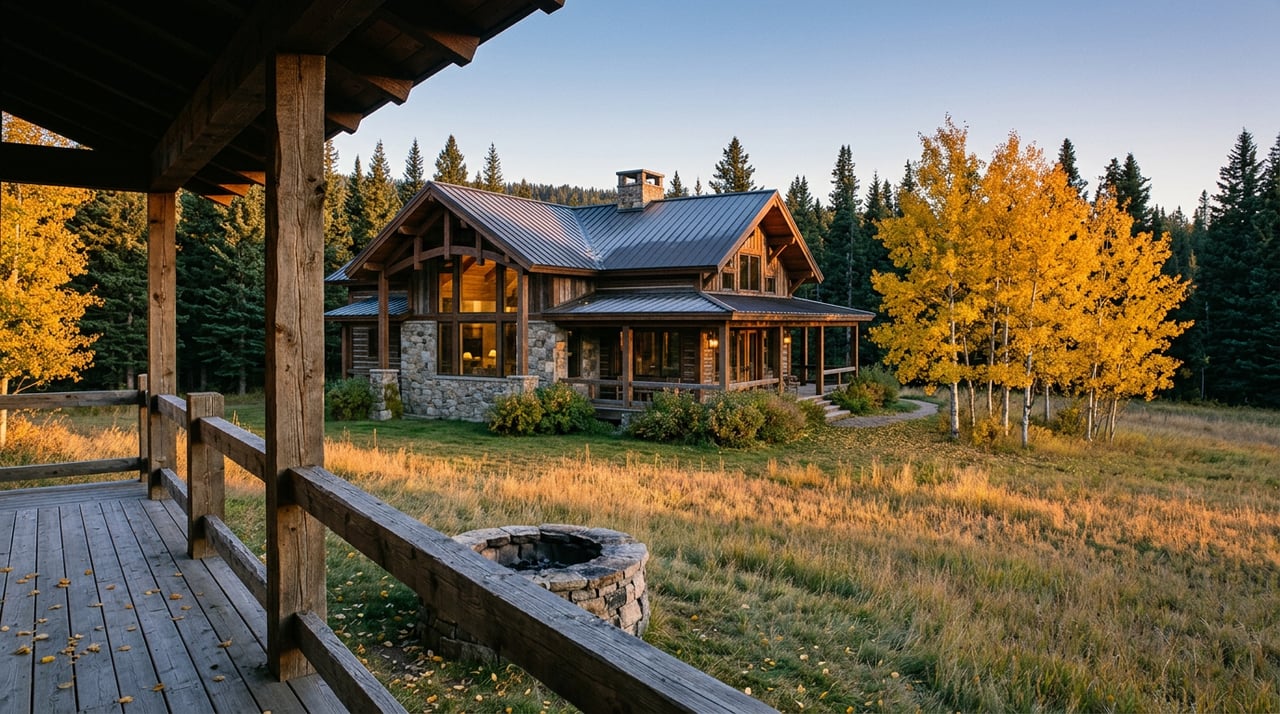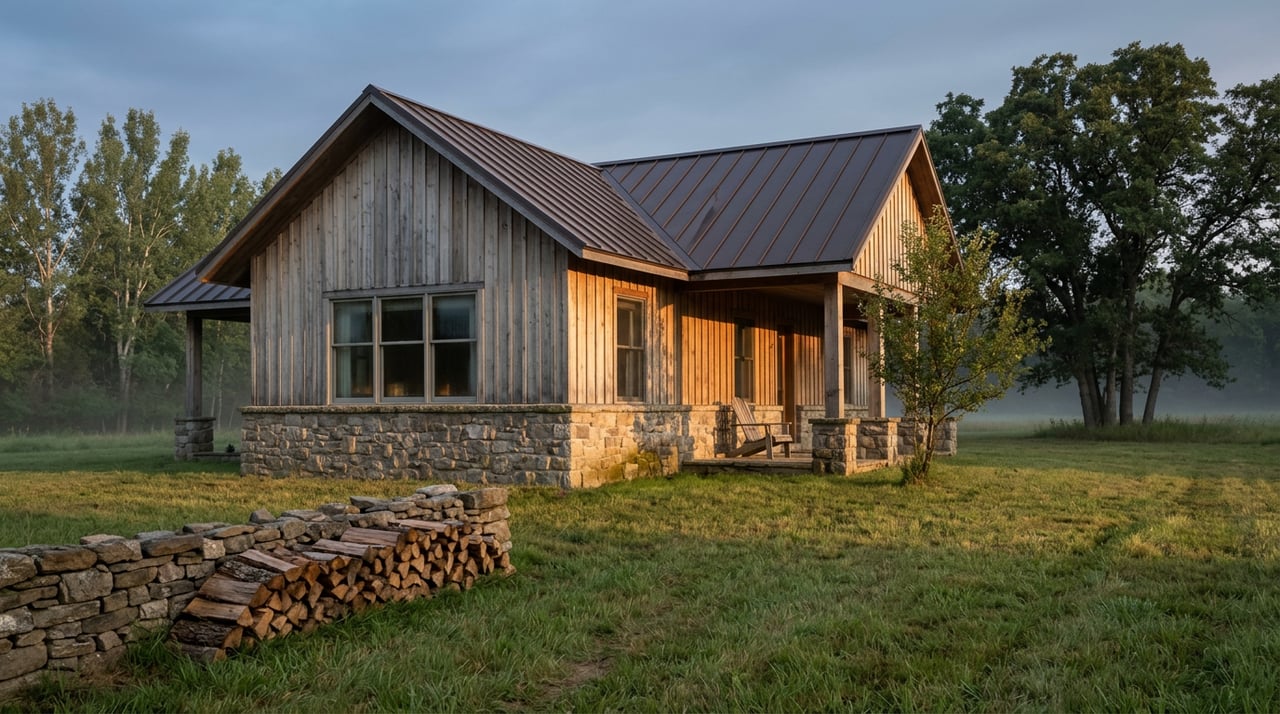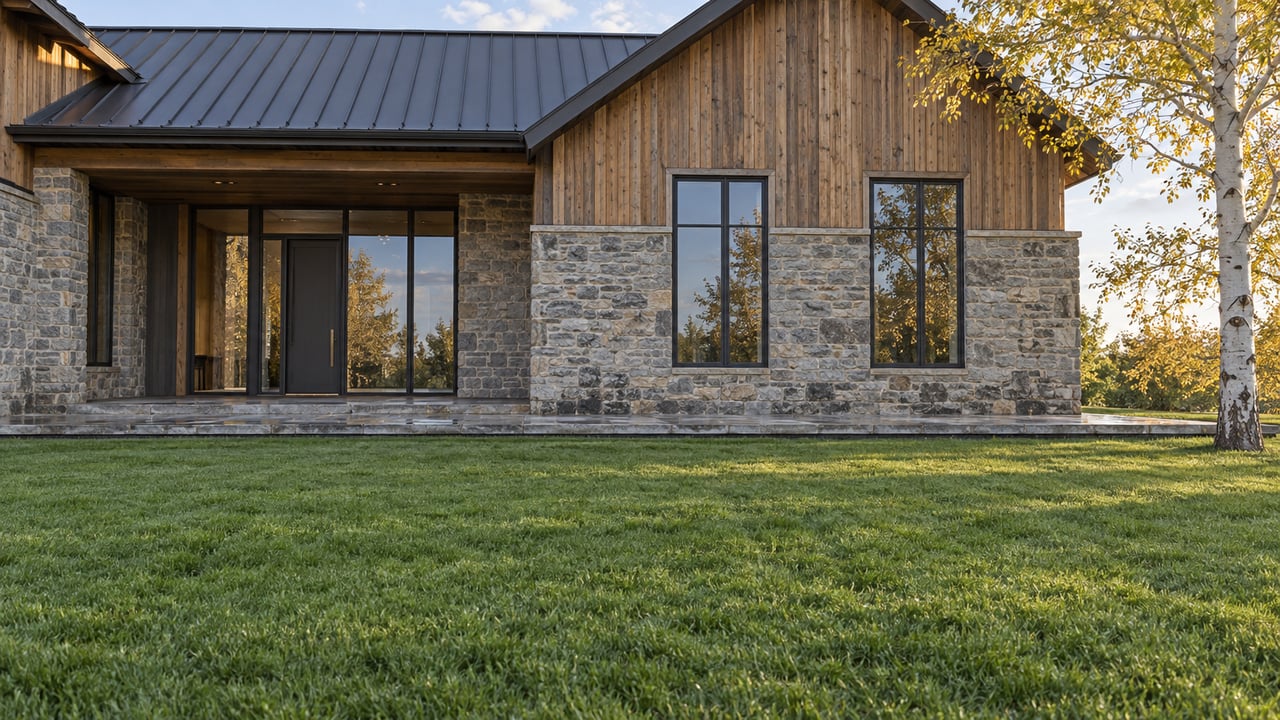
In January 2026, an estate on McLain Flats Road called Merry Go Ranch sold for $42 million. The listing gave the ten bedrooms and the 15,493-square-foot indoor sports complex their due, then spent just as many words on a line most buyers skim past: 126 shares of water in the Salvation Ditch.
That line was not filler. On McLain Flats, the number of ditch shares recorded against a parcel's title often does more to set its price than the acreage, the house, or the view of the Elk Mountains that every listing photo leads with. Two properties with the same lot size and the same south-facing panorama can sell tens of millions of dollars apart, and the gap usually traces back to a 20-mile irrigation ditch that started carrying water more than four decades before Aspen built its first chairlift.
The Ditch That Predates the Ski Lifts
Ranchers organized the Salvation Ditch in 1902 and had it carrying water by 1903, according to the Aspen Historical Society's timeline. The ditch cuts off the Roaring Fork River just east of Aspen, crosses the base of Smuggler Mountain, traces the flank of Red Mountain, and runs out across McLain Flats before ending in Woody Creek. It was built to open thousands of acres to farming after the silver bust forced Aspen's economy to pivot toward ranching. More than a century later, the same channel still irrigates the hay meadows, horse pastures, and lawns that show up in nearly every McLain Flats listing photo.
What makes that water valuable isn't the ditch's age by itself. It's the water right attached to that age. Colorado allocates water on a first in time, first in right basis, so a right dated to 1903 outranks nearly every claim filed after it, including much of the municipal supply that serves Aspen today. In a dry summer, the ditch keeps drawing its share of the river even as flows through town drop. For the ranches downstream, that seniority functions close to a guarantee. The water shows up whether the season is wet or dry, which is exactly what a buyer is paying for when a listing mentions shares.
What a Share Actually Buys
The ditch operates as a company, and its shareholders, more than 25 of them along the route, hold shares the way other property owners hold easements: as fixed, inherited fractions of a set flow. Ownership almost always stays tied to the parcel it irrigates rather than trading as a separate commodity. One documented exception, reported by the Aspen Daily News, saw 200 shares, about 1.67 percent of the ditch's total flow, sell on their own for $1.2 million.
That reporting laid out what a senior water right was worth against the alternatives at the time:
| Water source | Reported price | Basis |
|---|---|---|
| Salvation Ditch shares | about $6,860 per acre-foot | 200 shares sold apart from land, 2017 reporting |
| City of Aspen in-lieu fee | about $2,000 per acre-foot | Municipal rate cited in the same reporting |
| Ruedi Reservoir | about $1,116 per acre-foot | Regional reservoir rate cited in the same reporting |
Ditch water with a 1903 priority date was selling for three to six times what municipal or reservoir water cost that year. The gap reflects what a guaranteed supply is worth when the alternative is hoping the river holds up through August.
Why the Shares Rarely Leave the Land
The ditch company has held the line on keeping shares attached to the ground they irrigate. In the late 1970s and early 1980s, oil shale companies working the valley offered $15 million to $20 million for shares connected to Aspen Valley Ranch, a historic spread in Woody Creek, according to the same Aspen Daily News reporting. The ditch board turned the offers down rather than let water separate from land. That decision is the reason the 200-share sale stood out as an exception instead of a pattern.
For a McLain Flats buyer, the practical effect is that shares almost never appear as a standalone purchase. They arrive bundled with a specific parcel, in a specific number, and that number is set by history rather than something to negotiate up after closing.
One Sale, Read Closely
Merry Go Ranch is worth looking at closely because the seller's marketing put water rights on the same footing as square footage. The 21.3-acre parcel had stayed in one family for close to 40 years and carried 126 Salvation Ditch shares, described as what turned flat acreage into manicured lawn and pasture. At $42 million, the January 2026 sale works out to roughly $2 million per acre, well above what a comparably sized dry parcel on McLain Flats would command without a share count attached.
The house and the athletic complex pushed that number up too. But the water is what let the property be marketed as 21 acres of green pasture instead of 21 acres of high desert scrub, and that distinction shows up in the price whether or not a buyer notices the line about shares.
What This Changes When You Compare Two Parcels
Acreage and view are the easy numbers to compare between two McLain Flats listings. The harder number to find is the share count, and it isn't printed the same way twice. Some listings state it outright, the way Merry Go Ranch's did. Others leave it in the water rights section of a title report, and a handful of parcels off McLain Flats Road carry no ditch shares at all, relying on wells for whatever irrigation they can support. That absence changes what the land can become. A dry parcel still supports a house and a view. It will not produce the green pasture or horse-ready fields that define the neighborhood's look without a separate, and often expensive, path to water.
Starwood, the gated subdivision on the plateau above McLain Flats, solves the problem a different way. Its water runs through the Starwood Metropolitan District, a centralized system built for the subdivision rather than shares tied to a century-old agricultural ditch. A buyer weighing land in both areas is comparing more than price per acre. They're comparing two entirely different water arrangements, one inherited from ranching history and one engineered as subdivision infrastructure from the start.
What Buyers Ask Before They Sign
Does a Salvation Ditch share cover drinking water? No. Reporting on the ditch consistently describes its water as going to irrigate hay, alfalfa, and pasture along its route, not domestic supply. A McLain Flats property still needs its own well or a connection to a water utility for what comes out of the tap. The shares determine what the lawns and fields can support, not what the house drinks.
Can a parcel gain shares after purchase? Rarely. The ditch board's refusal of the oil shale offers in the late 1970s and 1980s set a lasting precedent that shares stay with the land they were originally assigned to. A buyer should treat the share count on a title as close to fixed rather than something to add later.
Reading a McLain Flats title for water rights takes more than a quick look at the listing sheet. If you're comparing parcels on McLain Flats and want to understand what a specific property's Salvation Ditch shares actually mean for its value, SSC & Company can walk the water rights history with you before you write an offer. Schedule a Private Consultation to start.